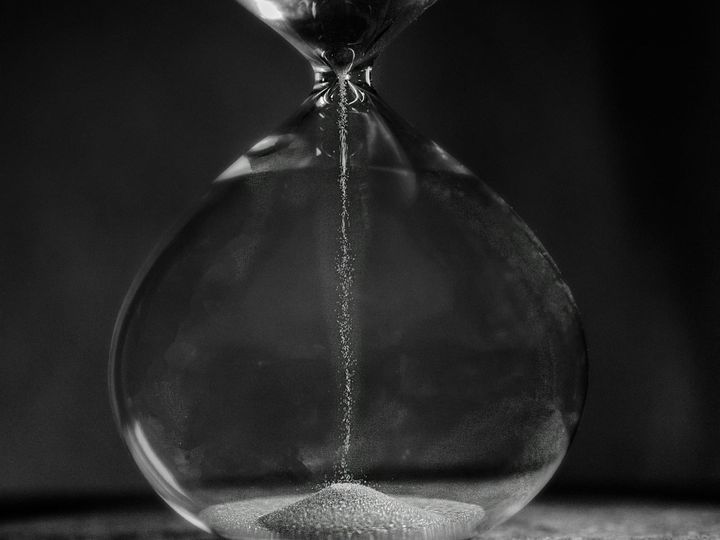
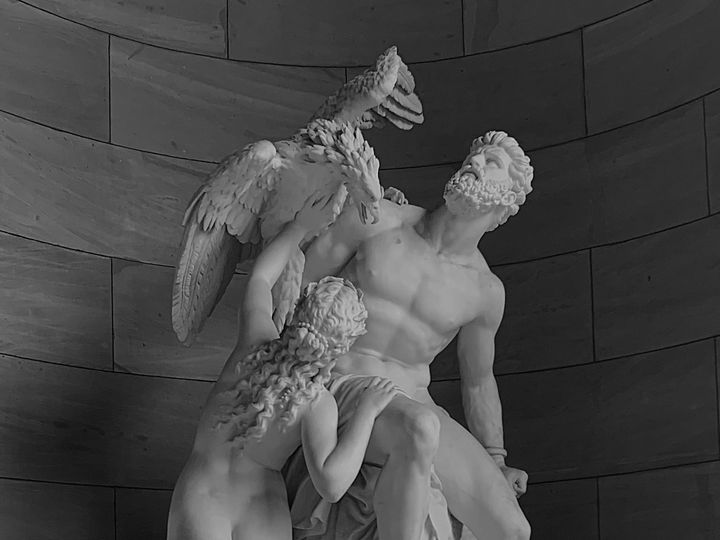
week 22 / 2026: fathers and sons After the hourglass has been overturned, there is a period during which the sand must resettle itself before the flow of time can become regularised once again. We are living through just such a period.
week 20 / 2026: regimes and revolutions If “AI” is a revolution, as its ideologues would have us believe, then they might want to consider how unpopular revolutions tend to end. Are they sincere in their beliefs? I argue that it doesn’t really matter, but that we should nonetheless treat them as if they are.
week 19 / 2026: centres and edges The openings of stories, and the titles we give them, have a huge effect on how they land with the audiences—but as always with stories, it’s an art rather than a science. Plus: in praise of living and working at the edges.
week 16 / 2026: language and longing It’s language all the way up and down, if you ask Alan Moore—which throws an interesting light on the rolling “post-literacy” debate, and on the tech elite’s increasingly open grasp for magic as something more (and less) than mere metaphor. Plus Bruce Sterling speculates on cybernetics...
week 15 / 2026: cynicism and credulity As the months pass, the surprise is no longer that hype and outright fiction are made to pass for truth, but rather that everyone seemingly already knows, and has made some sort of peace with it—whether resigned or enthusiastic. But how much longer can cynicism and credulity prevail?
week 6 / 2026: plots and characters Reading round-up: reports of literacy’s death may well be exaggerated; plot models are patterns, not blueprints; the “tapestry” novel, and the redistribution of character agency; extreme bird-watching, and the re-humanisation of the last hipster.
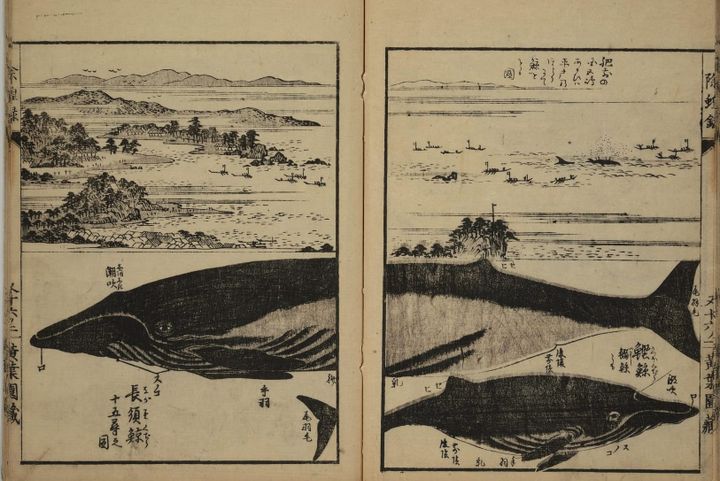
week 4 / 2026: baleen and blubber Reading round-up: seeing monsters in the (geo)political mirror; the paradoxical essence of “community”; the enantiodromia of a far-right Euro-federalism; Melville's Moby Dick considered as science fiction.